

.jpg)
.jpg)
.jpg)


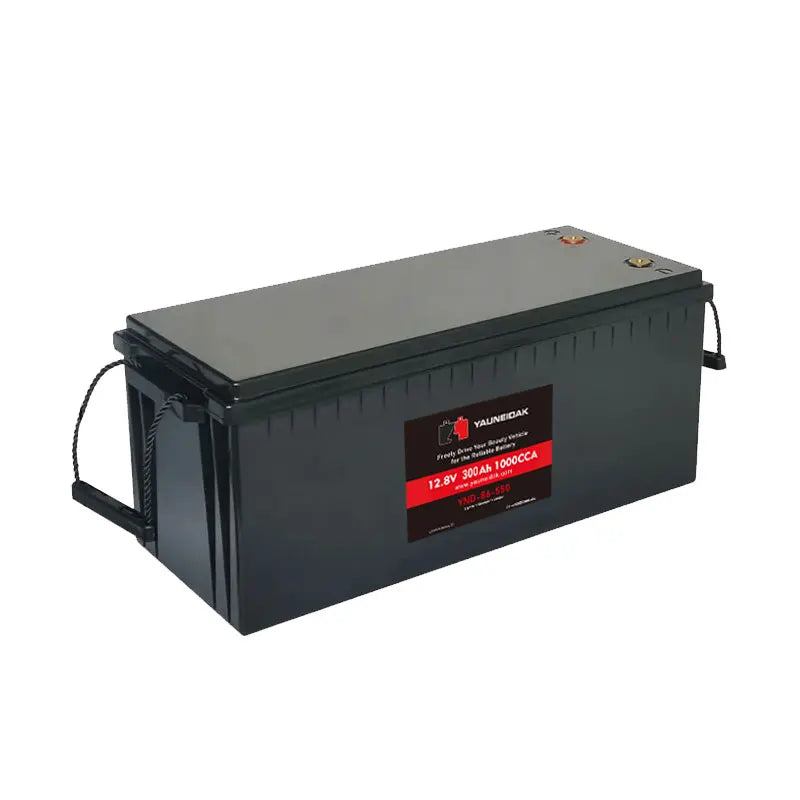
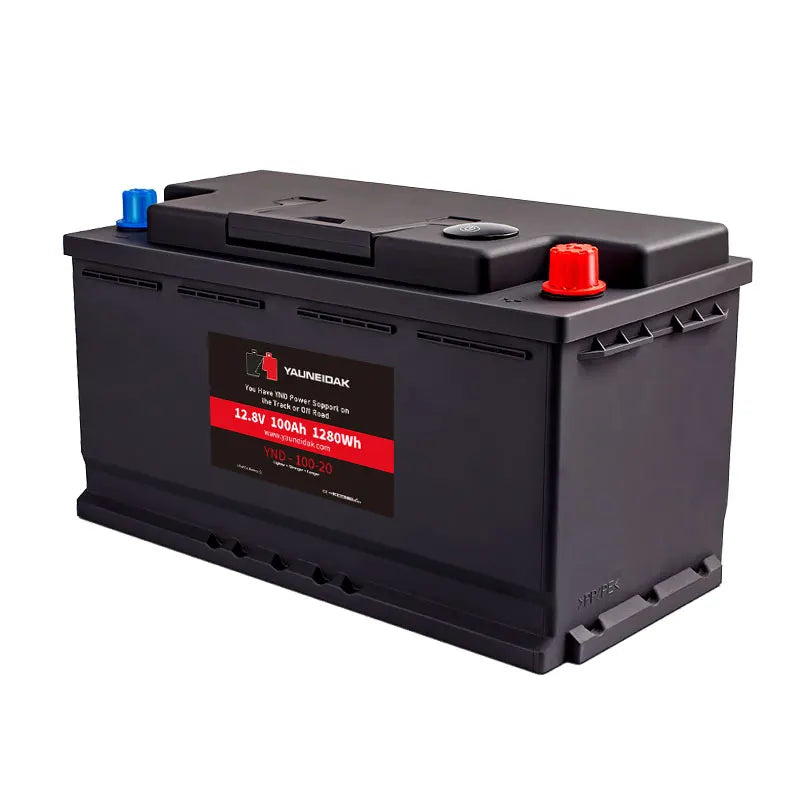
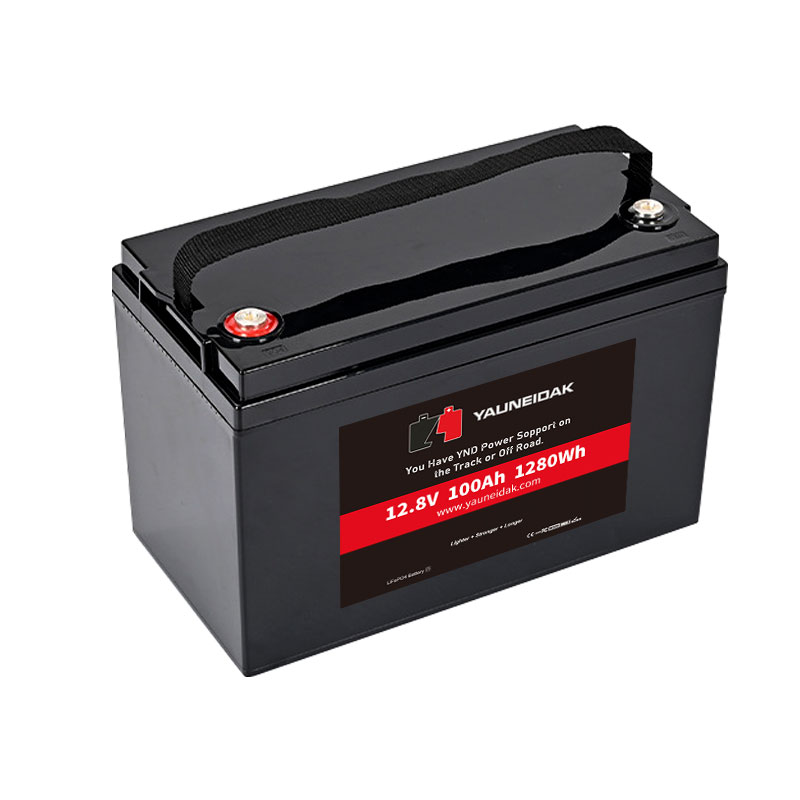
Learn about the outstanding efficiency advantages of our deep-cycle battery production line in terms of cell consistency and manufacturing long-cycle-life batteries.
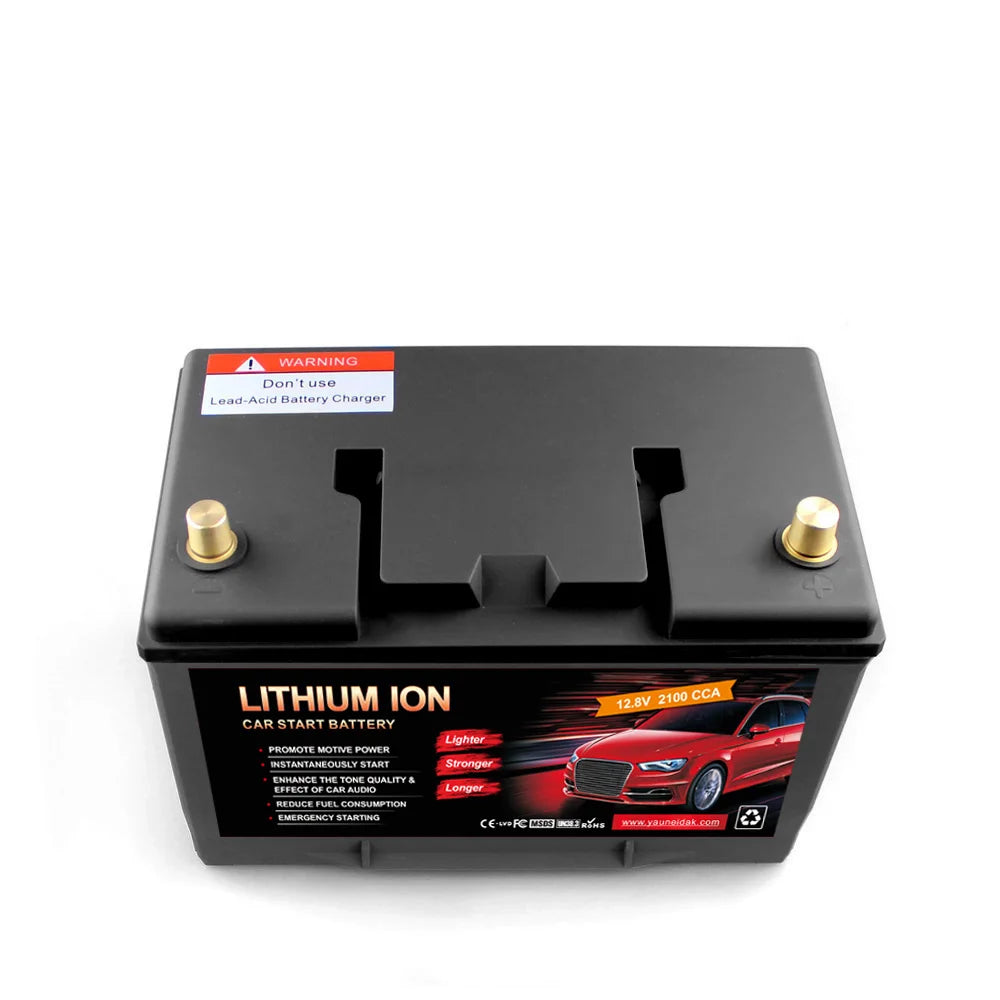
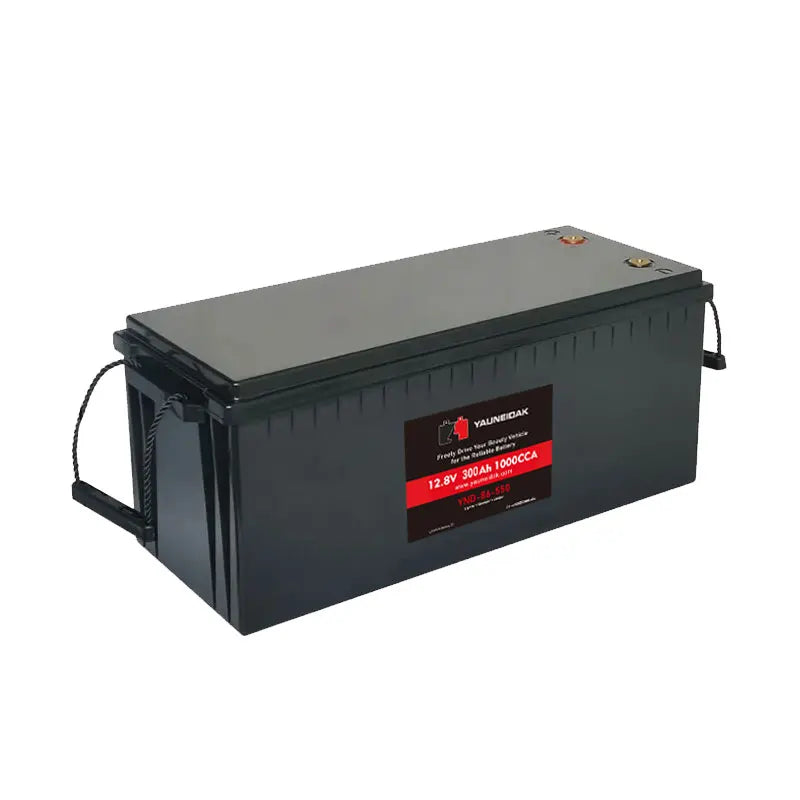
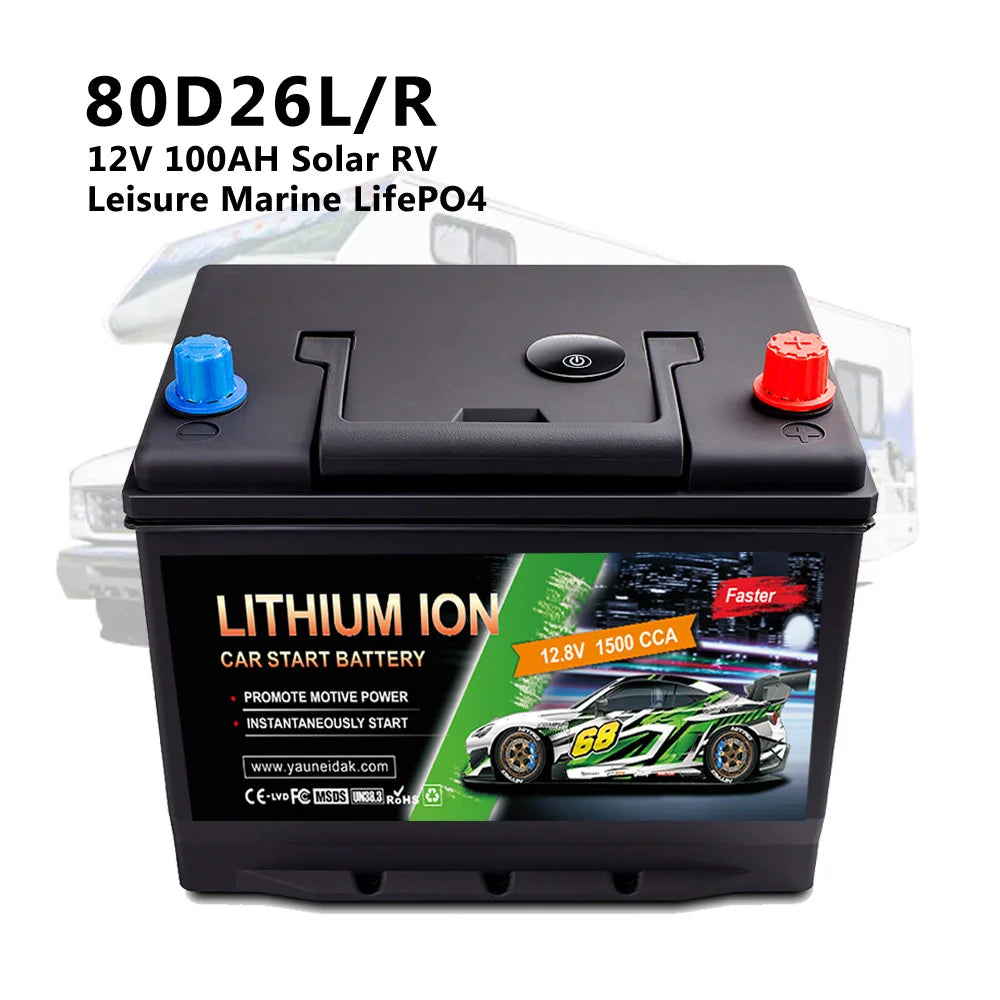
Only brand-new, Grade A prismatic battery cells are used, ensuring zero capacity degradation over a lifespan of up to 10 years.
With built-in active balancing technology, it automatically corrects cell voltage differences, significantly extending the battery pack’s cycle life
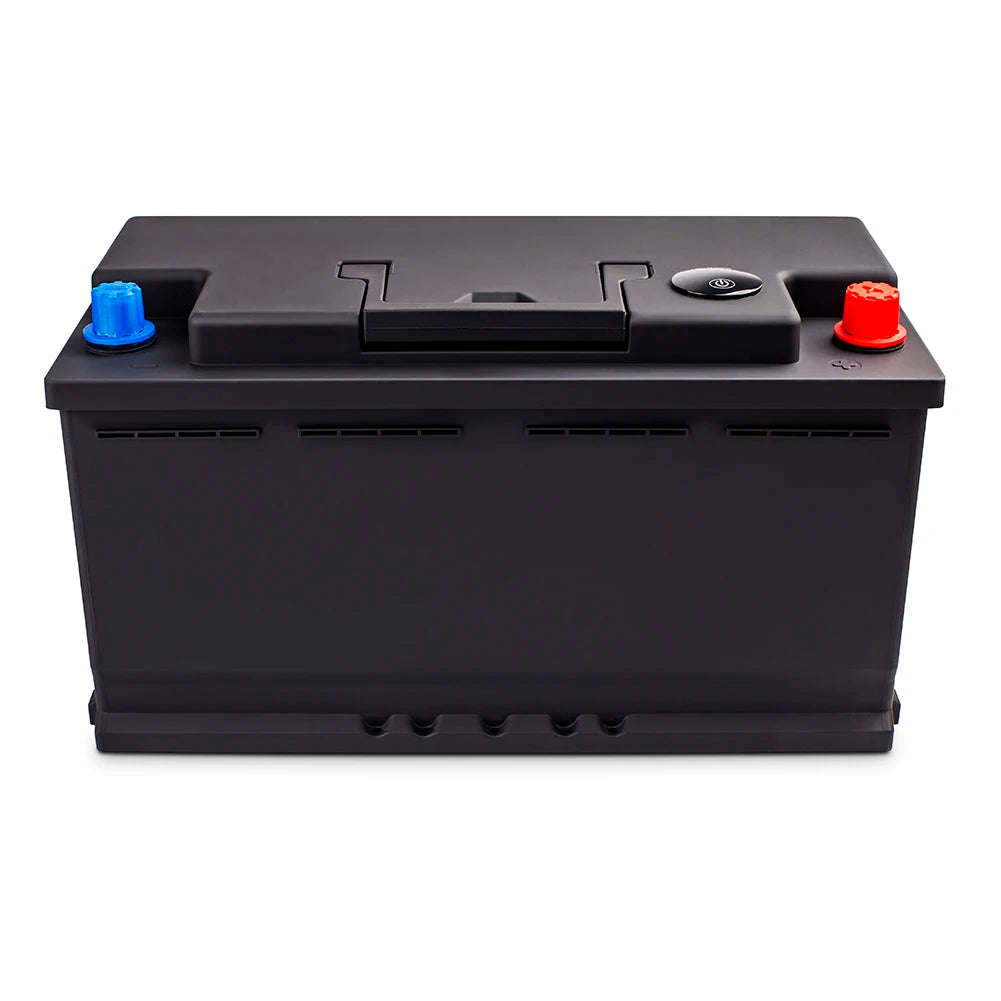
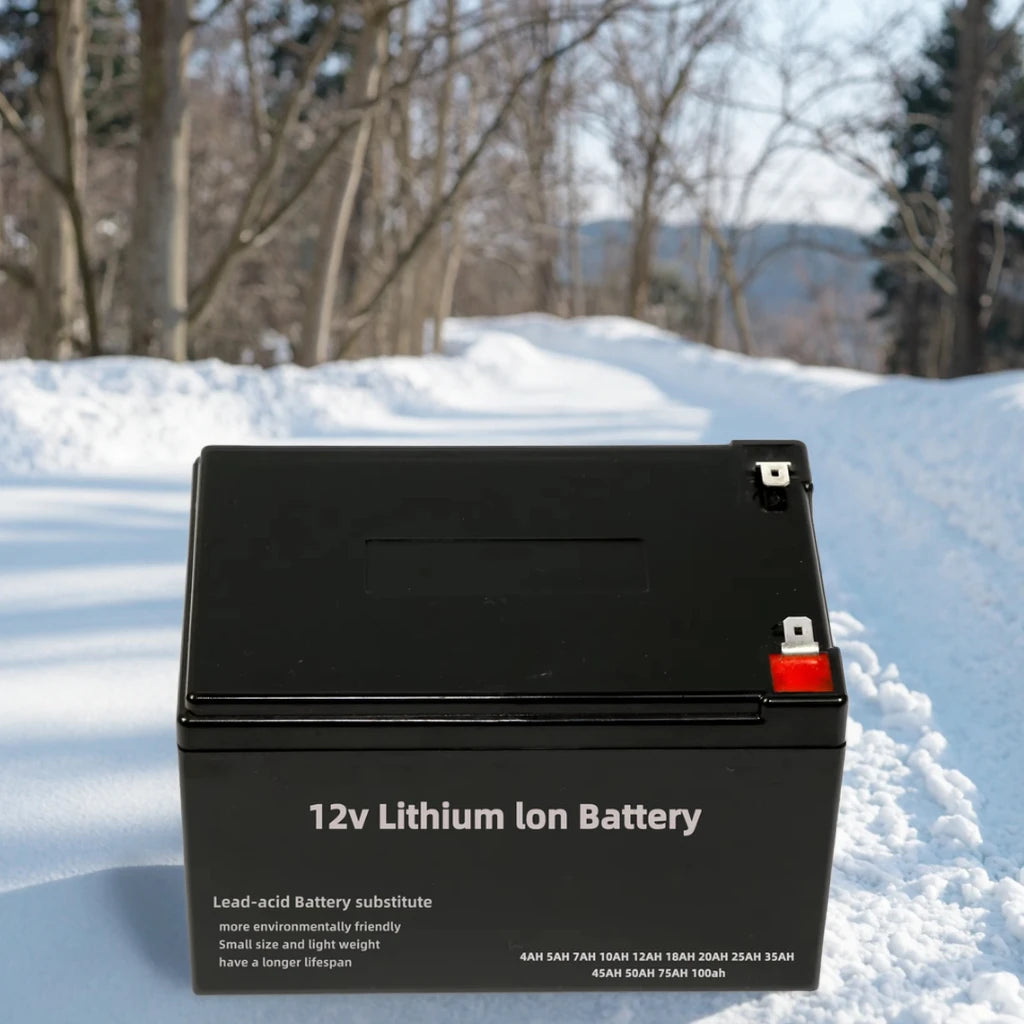
High energy density design results in a smaller size and lighter weight, while also conforming to pollution-free and environmentally friendly manufacturing practices.
It supports 100% full discharge, offering more than 50% greater usable capacity compared to traditional lead-acid batteries, without compromising lifespan
High-precision sensors provide real-time protection against over-temperature, over-current, and short-circuit risks, ensuring an absolutely safe electrical environment.
Featuring a high energy density design, it is smaller and lighter, and complies with pollution-free and environmentally friendly manufacturing practices.
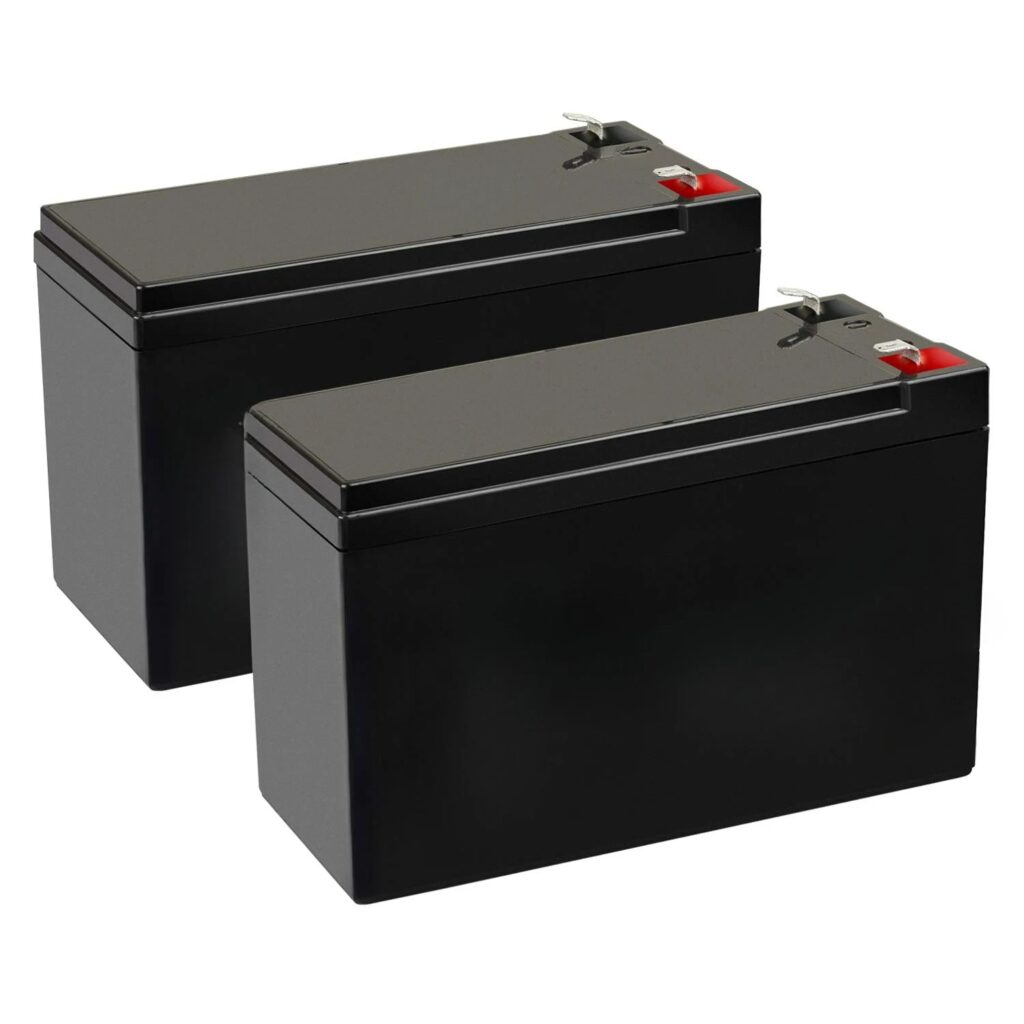
$119.00
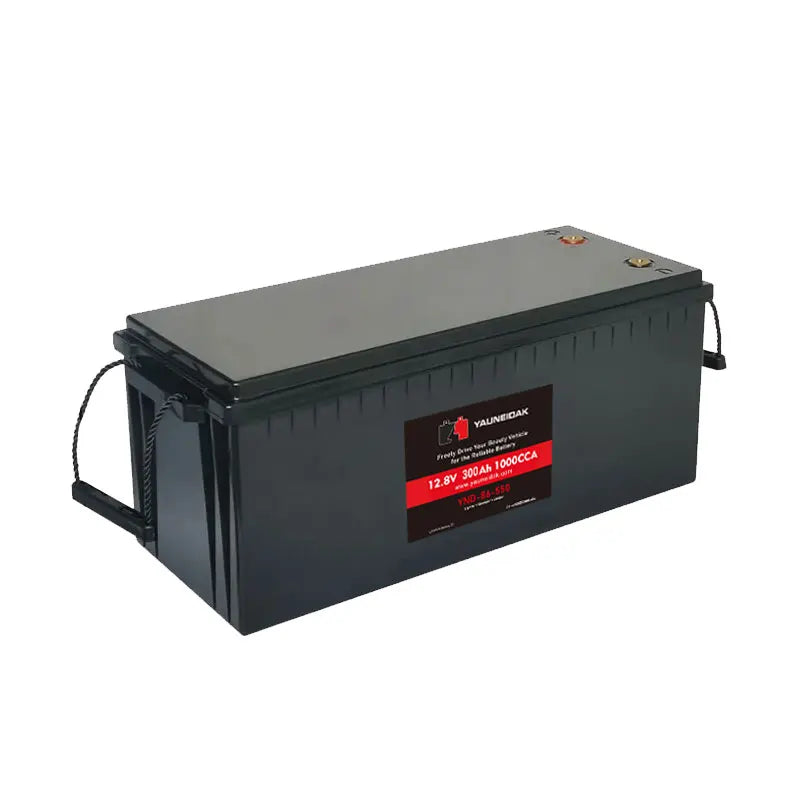
$165.88
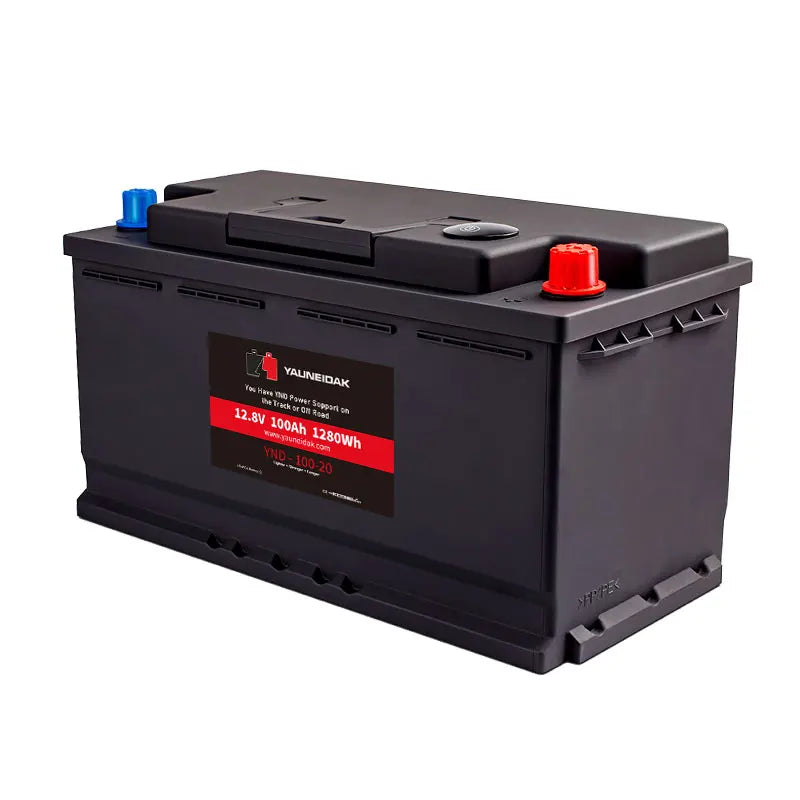
$388.68
Using a compatible smart charger, connect the positive (red) clip to the positive terminal and the negative (black) clip to the negative terminal, or use the charger provided with the lithium battery.
a lead-acid or lithium battery designed to provide steady, long-term power and endure repeated, deep discharges (typically 80% or more) before requiring a recharge
Lithium (LiFePO4) batteries offer the longest lifespan at 10–15+ years (2,000–5,000+ cycles)
While you can technically use a deep cycle battery in a car in an emergency, it is generally not recommended for daily use because they lack the high cold cranking amps (CCA) needed for engine startup and may be damaged by high-current charging
Deep cycle battery disadvantages include higher initial cost, poor performance for high-burst needs (like starting engines), shorter lifespan than lithium alternatives (especially lead-acid types), weight, potential maintenance (water levels for flooded), slower recharge times, and sensitivity to deep discharge which damages them
Deep-cycle batteries are designed for frequent charging and discharging. These batteries store electrical energy through chemical reactions and are therefore crucial for renewable energy systems.
Know the capacity of your deep cycle battery and do not discharge it beyond its recommended limit. Over-discharging can damage the battery and reduce its lifespan. Use loads that are within the capacity of the battery. Avoid connecting high-power devices that can draw too much current and damage the battery.
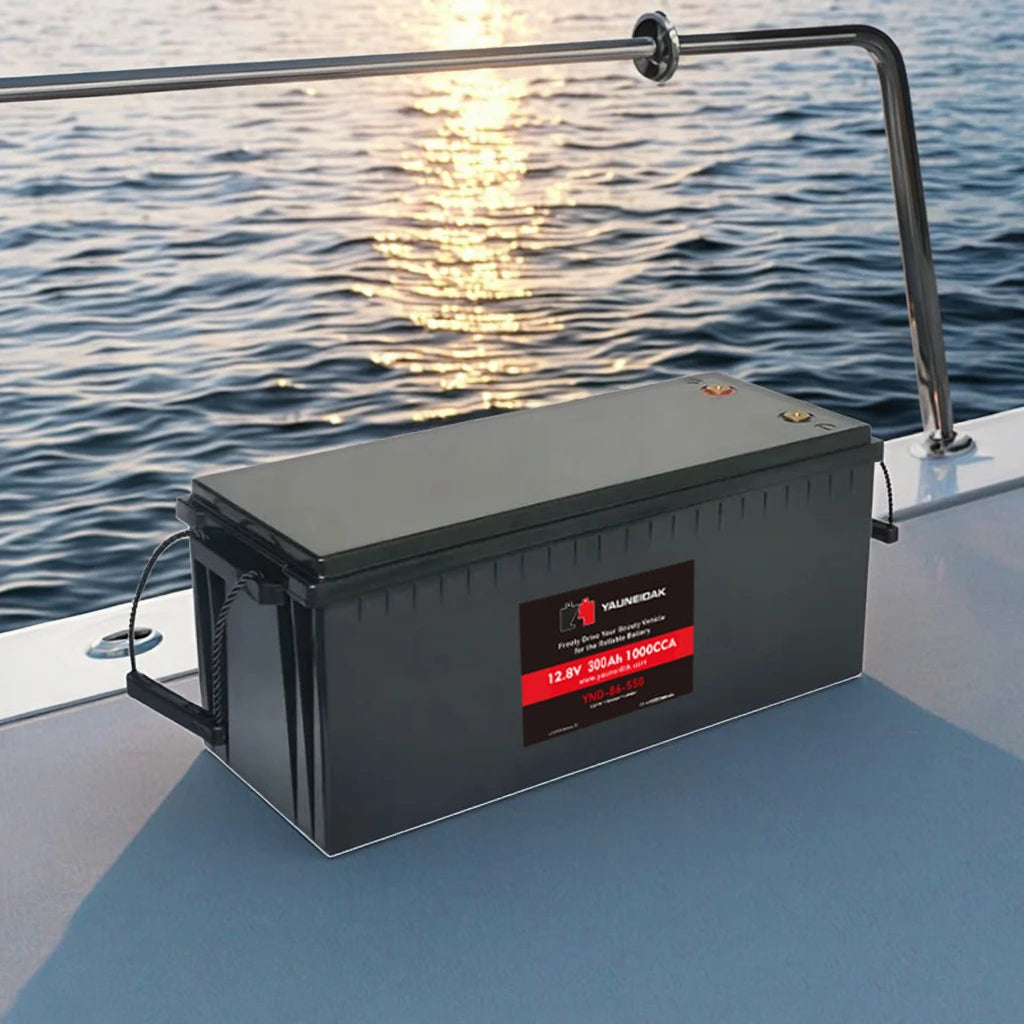
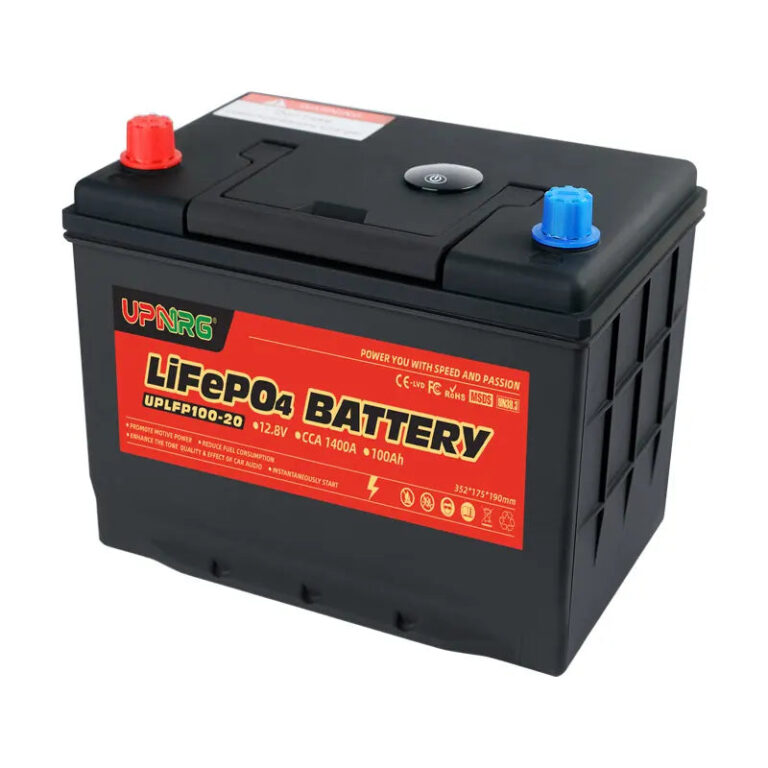
A 12-volt deep cycle battery typically weighs between 20 and 35 lbs for lithium (LiFePO4) and 40 to 100+ lbs for lead-acid/AGM models, depending on capacity. A standard 100Ah lead-acid battery usually weighs 60-80 lbs, while a 100Ah lithium battery weighs roughly 20-30 lbs.
While traditional lead-acid options offer deep-cycle versions, they are limited by a 50% usable capacity to avoid permanent damage. Our advanced chemical architecture allows for 100% Depth of Discharge (DoD), providing twice the energy in a lighter, more durable package without the risk of voltage drop
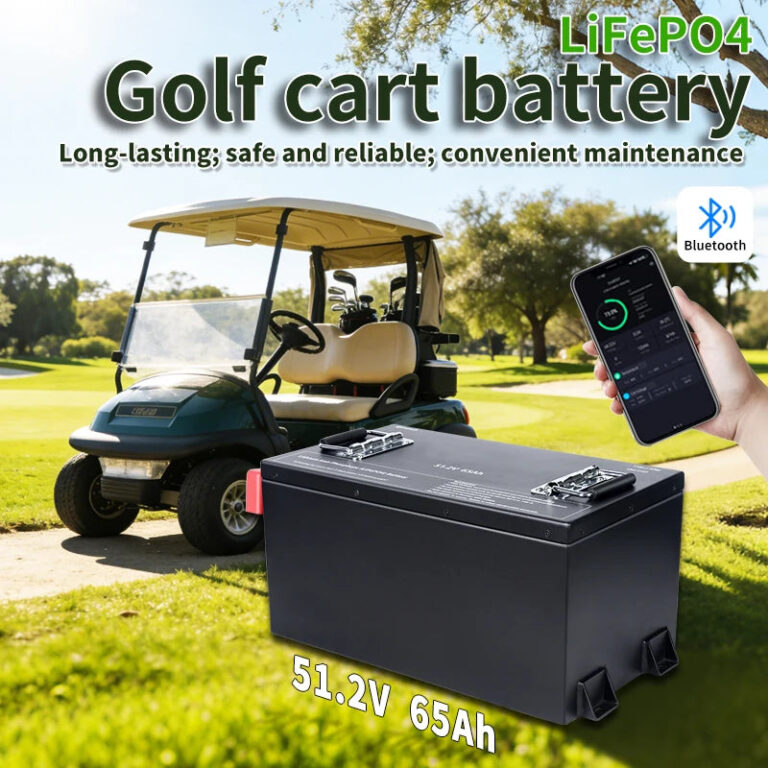
Deep cycle batteries are designed to provide a steady, long-term power supply and can be repeatedly discharged up to 80% of their capacity, unlike car batteries. They are primarily used in solar/renewable energy systems, RVs/campers, marine vessels (trolling motors), golf carts, forklifts, and electric mobility scooters.
UPNRG’s deep-cycle batteries have received high praise from customers thanks to their innovative technology. Here are some customer testimonials:
Reliable Power & Precision” “The cycle life on these deep cycle units is impressive. We’ve seen zero voltage sag even at high discharge rates. The integrated BMS provides excellent protection, making them the most stable energy storage solution we’ve integrated so far
David Reynolds
Operations Manager,
Reliable Power & Precision” “The cycle life on these deep cycle units is impressive. We’ve seen zero voltage sag even at high discharge rates. The integrated BMS provides excellent protection, making them the most stable energy storage solution we’ve integrated so far
Michael Carter
Project Engineer
WhatsApp us