
.jpg)
Look around the room you are in right now. Chances are, you are within five feet of a lithium battery. They have become the invisible engine of our modern life. From the watch on your wrist to the car in your driveway, lithium technology is taking over.
But this technology isn’t just for small gadgets anymore. It is powering massive machines and critical systems. If you have ever asked, “What devices have lithium batteries?”, the answer is rapidly becoming: almost everything.
This guide will take you beyond the obvious. We will explore how lithium batteries are reshaping industries, from marine adventures to heavy-duty trucking.

Everyday Essentials: Small Electronic Devices
The most common place we find these batteries is in our pockets. The consumer electronics revolution was built on the back of the lithium ion battery. Before this technology, batteries were too heavy and didn’t last long enough.
Cell phones are the primary example. They require high energy density. This means they need a lot of power in a very small, thin package. Only lithium chemistry can provide this. It allows us to have slim phones that last all day.
Beyond phones, other portable electronic devices rely on them. Tablets, laptops, wireless headphones, and smartwatches all use lithium. In these applications, weight is the enemy. Lithium is the solution because it is incredibly light compared to the energy it holds.
The Recreation Revolution: RV and Marine Batteries
This is where things get interesting. In the past, boats and recreational vehicles used heavy lead-acid batteries. These were similar to standard car batteries but much larger.
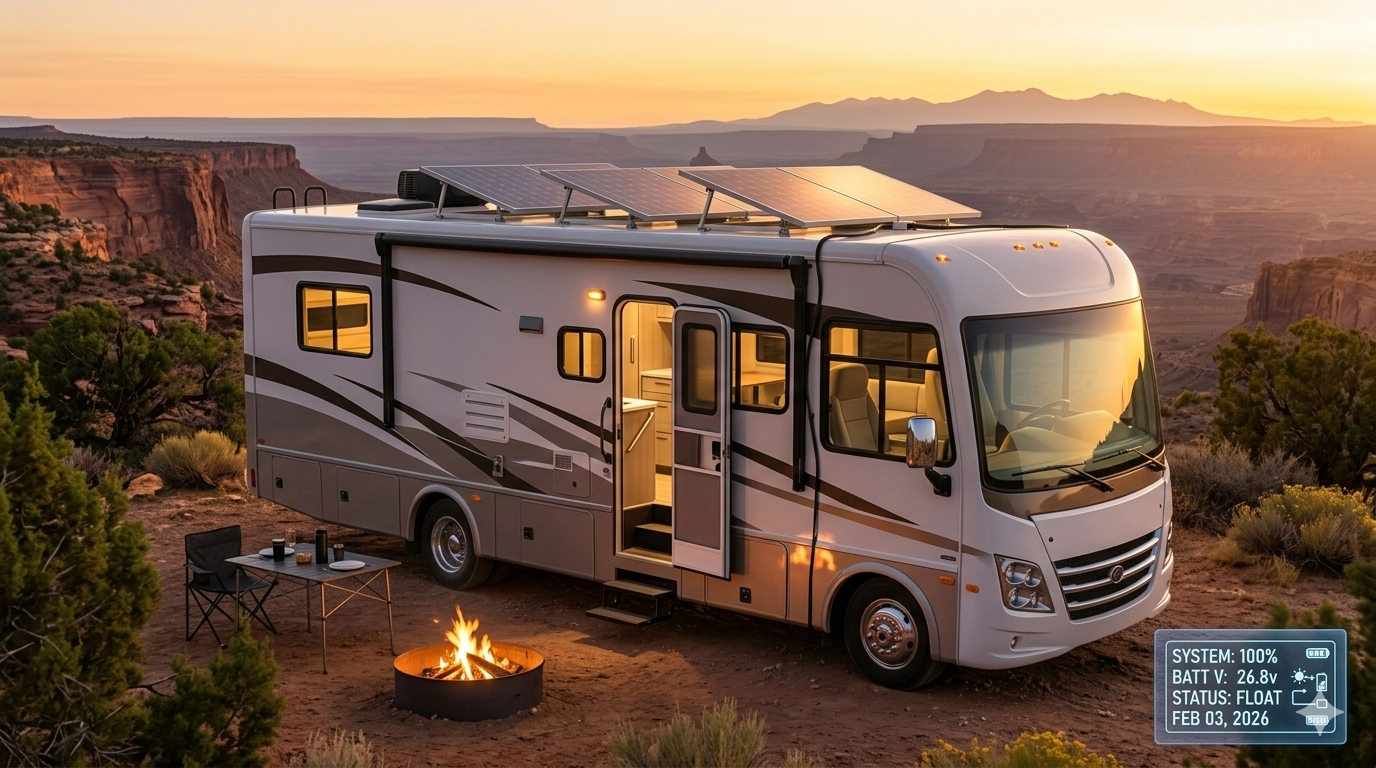
Today, there is a massive shift toward lithium for RV Batteries. Why? Because an RV owner wants to travel freely. Old batteries took forever to charge and were extremely heavy. A lithium bank weighs half as much and charges up to five times faster.
The same applies to the water. Marine Batteries face harsh conditions. They need to power trolling motors and fish finders for hours. Lithium is perfect here because it provides a constant voltage. Your boat doesn’t slow down as the battery drains; it keeps full power until the end.

The Workhorses: Deep Cycle Applications
When we talk about RVs and boats, we are often talking about a deep cycle battery. This is a battery designed to be drained and recharged hundreds of times.
Traditional lead-acid deep cycle batteries die quickly if you drain them too low (below 50%). Lithium batteries are different. You can safely use nearly 100% of their capacity. This effectively doubles your usable power without buying a bigger battery.
This efficiency has transformed Golf Cart Batteries. Golf courses are rapidly switching fleets to lithium. A lighter cart damages the grass less. It also charges faster, meaning the cart can get back on the course for another round sooner.
Heavy Duty Transport: From Cars to Semi-Trucks
For a long time, lithium was considered too expensive for starting engines. That is changing. We are now seeing high-performance Automotive Batteries made of lithium.
These are not just for electric cars (EVs). We are talking about the 12V starter battery in a gas car. Lithium provides a massive burst of power to start an engine, even in cold weather. It also lasts 3 to 5 times longer than a standard lead-acid battery.
This trend is scaling up to Semi-Truck Batteries. Long-haul truckers have a unique problem. They need to run appliances (microwaves, TVs, AC) in their sleeper cabs while parked. Idling the engine to charge batteries wastes expensive diesel.
Lithium Auxiliary Power Units (APUs) allow truckers to run their comforts silently for much longer. It saves fuel and reduces engine wear.
Two Wheels, One Battery
We cannot forget Motorcycle Starting Batteries. For a motorcycle rider, weight distribution is critical. A standard lead battery sits high in the bike and is heavy.
Swapping to a lithium motorcycle battery can save 5 to 10 pounds instantly. It is one of the cheapest and easiest ways to improve the handling of a bike. plus, lithium holds its charge better during winter storage, so the bike starts up in the spring.

Summary: What Devices Have Lithium Batteries?
To summarize, the list is growing every day. Here is a quick breakdown of where you will find them:
- Personal Tech: Cell phones, laptops, cameras.
- Recreation: RV house banks, marine trolling motors.
- Transport: Golf carts, electric bikes.
- Starting Power: Motorcycles, cars, and heavy trucks.
The transition is clear. We are moving away from heavy, inefficient lead-acid technology. We are moving toward lighter, longer-lasting, and more powerful lithium solutions.
Whether you need to power a text message or start an 18-wheeler, there is likely a lithium battery doing the work.
References and Authoritative Sources
- Battery University. “BU-204: How do Lithium Batteries Work?” BatteryUniversity.com. Provides technical details on ion movement in consumer electronics.
- Wikipedia. “Lithium-ion battery.” en.wikipedia.org. Detailed history and list of applications from aerospace to consumer goods.
- Relion Batteries. “Lead Acid vs Lithium.” relionbattery.com. Comparative data on weight and cycle life for marine and RV applications.
- Trucking Info. “The Case for Lithium-Ion Batteries in Trucking.” truckinginfo.com. Industry analysis on how semi-trucks are utilizing lithium for hotel loads and starting.
.jpg)
.jpg)